

My First Night in a Minbak Was Confusing in the Best Way
The first minbak I stayed in was near Seoraksan National Park — a family home where the parents had converted two rooms into guesthouse accommodation, printed laminated sheets with the WiFi password and check-out instructions, and left a small table outside the room with green tea sachets and a thermos. It smelled like the wooden beams of the house. The floor was warm from the ondol heating. I fell asleep on a yo (floor mattress) for the first time and slept better than I had in weeks.
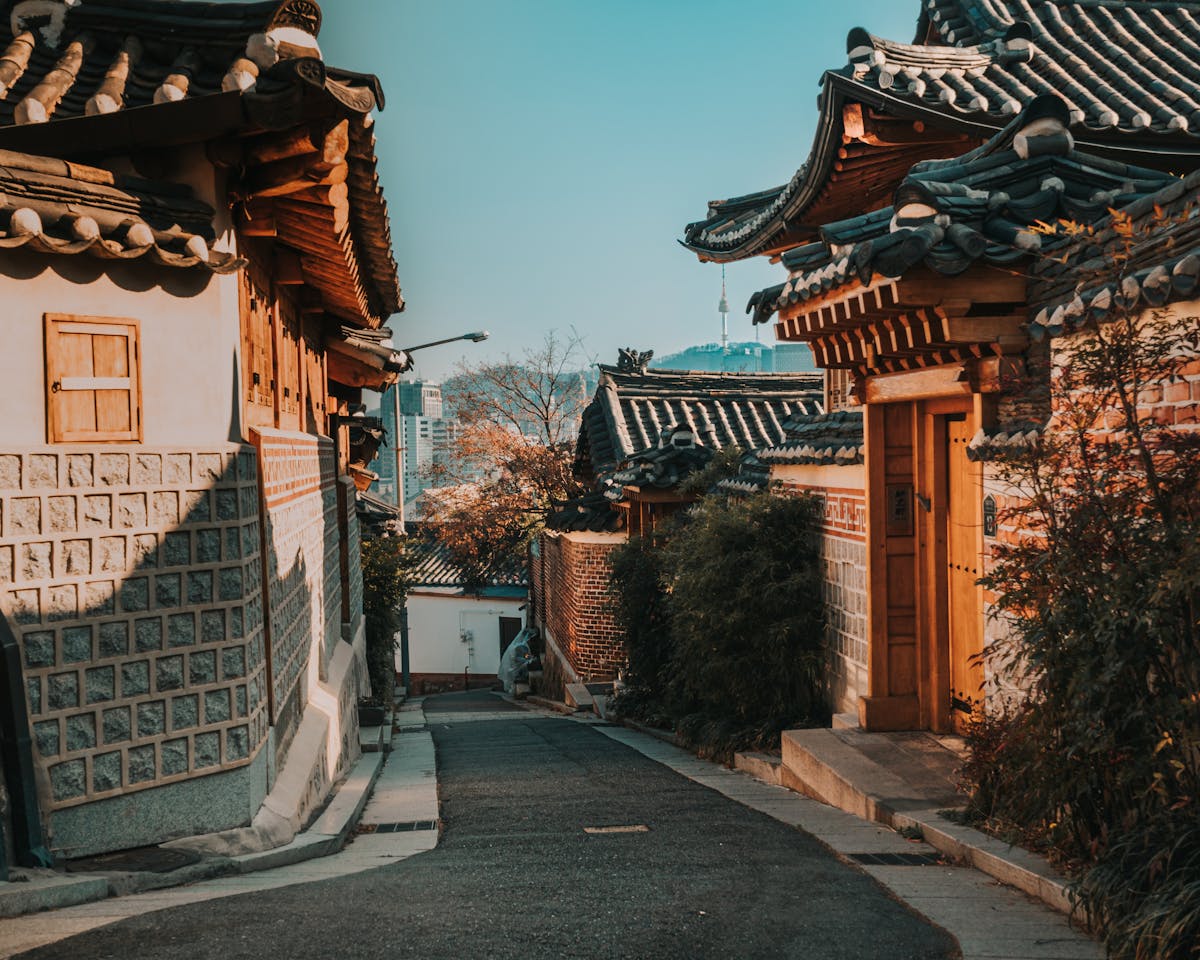
Minbak (민박) is a Korean word that literally translates to “staying in someone’s home” — it’s the traditional Korean form of bed and breakfast or guesthouse accommodation, where a family rents out rooms in their own home. It’s distinct from modern guesthouses and boutique hotels, though the lines have blurred as the accommodation industry has evolved. This guide covers what genuine minbak accommodation looks like, where to find it, and what you should know before booking.
What Minbak Actually Is
In its traditional form, a minbak is a family home with one to four rooms available for paying guests. The family lives on the premises. Common spaces (kitchen, living area) may or may not be shared depending on the setup. Meals are sometimes included, sometimes available for a fee, and sometimes not offered at all — it varies by property.
Minbak is common in rural and semi-rural areas of Korea — near national parks, beach towns, island destinations, and mountain villages. In Seoul and major cities, the term is used more loosely; some “minbak” in the city are essentially just cheap guesthouses with no family in residence. The genuine article — a family home with real hosts — is more commonly found outside the cities.
Island accommodation is where minbak is most dominant. On islands like Jeju, Ullengdo, and the smaller islands of the south coast, minbak is often the primary accommodation option outside of resorts and hotels. Booking island minbak through Naver or locally-run platforms is often necessary as they don’t always appear on international booking sites.
The Ondol Floor: The Core Experience
The defining feature of traditional minbak accommodation is ondol — the Korean under-floor heating system that runs warm water or (in older homes) warm air beneath the floor. In a traditional ondol room, the floor itself is the heat source, and the correct way to sleep is on a yo (thin mattress) directly on the warm floor.
When I first encountered ondol properly, I was skeptical about sleeping on the floor. The yo looked thin. I’m a side sleeper and I worried about hip pressure. In reality, a proper yo on a warm ondol floor is extremely comfortable — the heat rises evenly and the slight firmness turns out to be easier on a back than a soft Western mattress for many people.
The yo is stored in a cabinet during the day and the room becomes a general-purpose space — this is a cultural feature worth understanding, not a deficiency. The host will show you where the yo is stored; taking it out at night and folding it back in the morning is the expected routine.
Ondol temperature can be adjusted through a wall-mounted thermostat that looks like a small digital panel near the door or light switch. The controls are in Korean, but the + and – buttons are universal. A comfortable sleeping temperature is typically around 40 to 45°C floor temperature, which feels warm but not hot.
What Breakfast Looks Like
Minbak breakfast, when included, is one of the great pleasures of Korean travel. It’s not a continental buffet — it’s a Korean home breakfast, which typically means rice, soup (doenjang jjigae or miyeok guk), three to five small side dishes (banchan), and kimchi. Maybe a fried egg. Tea or roasted barley tea (bori-cha) to drink.
Eating a home-cooked Korean breakfast at a kitchen table while watching the hosts’ morning routine is a particular kind of cultural access that hotels simply cannot replicate. It’s one of those experiences that sounds ordinary described on paper but is actually genuinely memorable.
When breakfast is included, it’s usually served at a fixed time — typically 7:30am or 8am. Being on time or communicating if you’ll be late is polite; Korean hosts put real effort into breakfast preparation and serving time.
When breakfast isn’t included, most minbak in rural areas are within a short walk of a pojangmacha (street food tent) or local restaurant. Asking your host where to eat breakfast nearby is one of those host interactions that often turns into an unexpectedly useful conversation about the area.
Communication and Language
My biggest mistake when staying in my first minbak was assuming the host would speak English. At traditional family minbak, especially outside Seoul, English proficiency varies enormously — from near-fluent to essentially none. This isn’t a problem but it is something to prepare for.
Google Translate with the camera function (for Korean signs and menu items) is essential. Having your destination written in Korean characters to show a taxi driver, and having basic Korean phrases for check-in situations (안녕하세요 for hello, 감사합니다 for thank you, 죄송합니다 for excuse me/sorry) goes a long way.
Some minbak hosts are excellent communicators through gesture and context even with no common language. Others prefer to leave laminated instruction sheets and minimize direct interaction. Both are fine — it’s worth calibrating your expectations to the situation rather than expecting a specific style of hosting.
Booking platforms that include messaging features (Naver Reservation, some Korean Airbnb listings) sometimes have translation functionality. For standalone minbak bookings made by phone (which is sometimes the only option for rural places), having a Korean-speaking friend call ahead or using Google Translate voice mode is genuinely useful.
House Rules and Cultural Norms
Shoes off at the entrance is absolutely non-negotiable. The house is clean in a specific Korean way that depends on this boundary being maintained. Most minbak provide slippers for indoor use; some have a slipper rack at the entrance for guests.
Bathroom use varies by property. Some minbak have private en-suite bathrooms per room; many share a family bathroom. When sharing, keeping the bathroom clean after use and not occupying it for extended periods during the morning rush is the expected courtesy.
Kitchen access — where it exists — is typically for self-catering rather than for guests to prepare elaborate meals. Using the kitchen for instant noodles or making tea is generally fine; asking to cook a full meal is a different level of request that should be explicitly agreed on when booking.
Noise norms in Korean homes tend toward quiet evenings — not silent, but conversational rather than party-level. Most minbak hosts don’t want to police this but returning loudly drunk at midnight in a family home is a different social situation than doing the same in a dedicated hostel.
Where to Find Minbak
In Seoul and major cities, Airbnb lists many apartment-style properties described as minbak-style (though many are owner-absent). Genuine family-hosted minbak in Seoul is increasingly rare as the city’s apartment culture has largely displaced the traditional home-sharing model.
For authentic minbak outside Seoul, Naver’s accommodation search (naver.com → 숙박) is the most comprehensive Korean-language resource. Jejudo (Jeju Island) has extensive minbak listings through the Jeju Tourism Organization website. Coastal areas and national park gateway towns (like Sokcho near Seoraksan) have local minbak association websites that list registered properties.
Prices vary considerably by location and season. A minbak room near a national park in the shoulder season might be 40,000 to 60,000 won per night with breakfast. The same room during peak foliage season could be 80,000 to 120,000 won. Jeju minbak tend to be 50,000 to 90,000 won per night.
What Makes the Experience Valuable
The reason to stay in a genuine minbak rather than a hotel is the proximity it gives you to ordinary Korean domestic life. A family’s living situation, their routines, the smell of their kitchen, the way they organize their home — these are not things you encounter in hotels. Travel that includes accommodation where someone actually lives gives you a fundamentally different understanding of a place than accommodation designed purely for visitors.
I was surprised to find, across several minbak stays, that the memories I retained most clearly from Korea were not the famous landmarks but the specific details of the houses I stayed in: a grandmother’s cabinet of old ceramics, the pattern of a screen door, the sound of a host family’s early morning conversation in the kitchen.
That’s what minbak offers. It’s not for everyone and it’s not the most comfortable option in a strict facilities sense. But it’s one of the most distinctly Korean accommodation experiences available.
Last verified: May 2026. Information confirmed through direct experience and current sources. Something changed? Leave a comment and I’ll update it.

About Jay Han
Jay has lived in Seoul for over 10 years and works as a marketing professional. He started Korea Hub to share the kind of honest, specific information he wishes he’d had when navigating Korean culture, food, and travel for the first time. Not a travel blogger — just someone who actually lives here.
I spent a night in a traditional minbak during a hiking trip near Seoraksan. The owner woke up early to make breakfast without being asked. That kind of hospitality is hard to explain to someone who hasn’t experienced it.
More about Jay →