
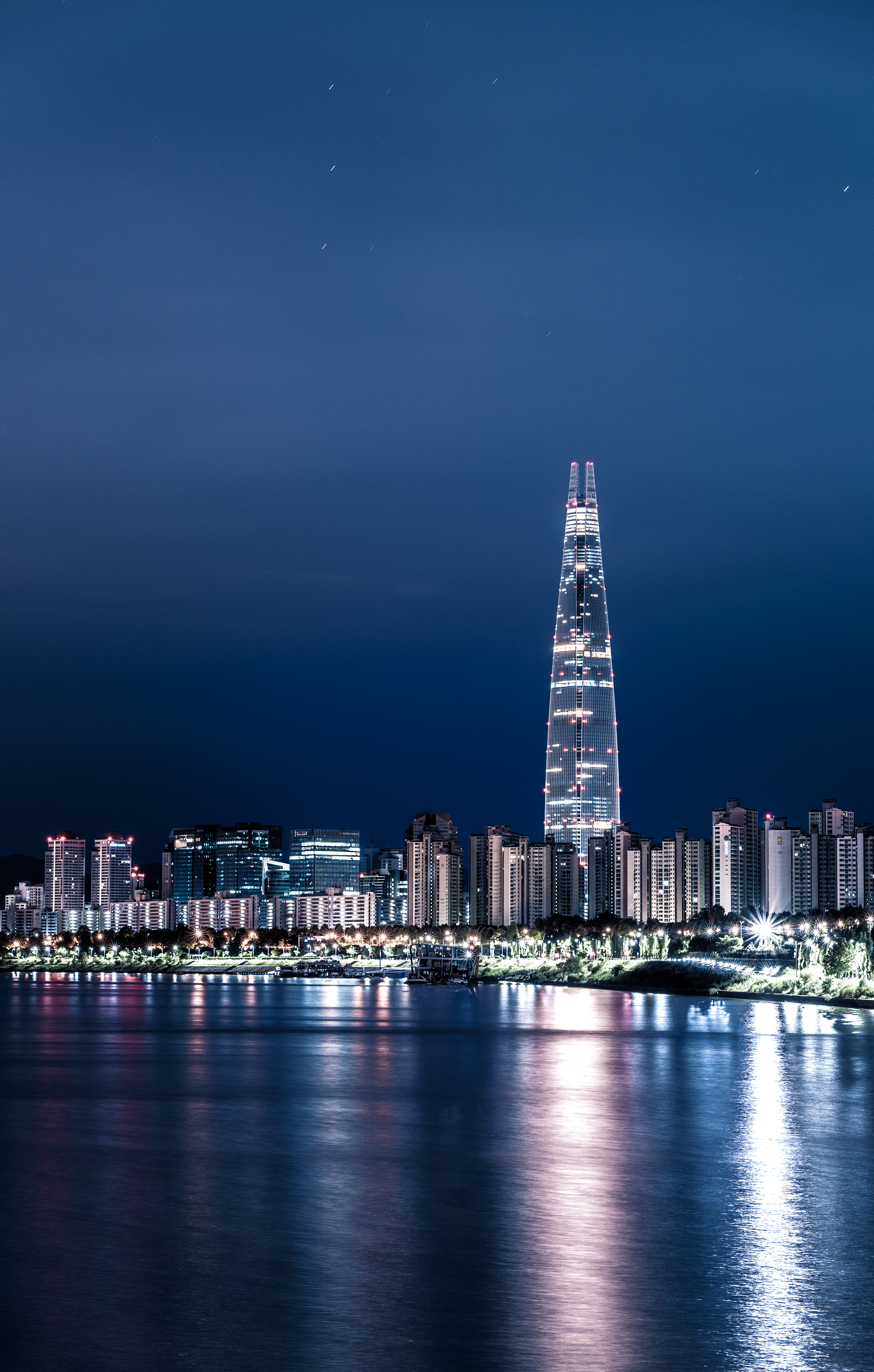
I’ve lived in Seoul for over ten years. I’ve watched dozens of friends and family members take their first trip to Korea and come back with stories about things that surprised them — sometimes great surprises, sometimes frustrating ones that could have been avoided with five minutes of advance information.
Here’s what the standard travel guides don’t quite cover, from someone who actually lives here.
The Practical Stuff Nobody Mentions Until You’re Stuck
Get a T-Money Card at the Airport, Not Later
The T-Money card is how you pay for subway, bus, and many taxis in Seoul. You can get one at convenience stores everywhere, but the easiest thing is to pick one up at the convenience store right inside Incheon Airport arrival hall before you figure out anything else.
It costs 2,500 won for the card itself. Load it with cash. Use it everywhere. When it runs low, top it up at any GS25 or CU counter.
Related reading: T-Money Card: The Complete Guide for Travelers
Naver Maps, Not Google Maps
Google Maps works in Korea but it’s less accurate for transit routes and local businesses. Naver Maps (the Korean equivalent) has better data, including real-time transit timing, walking directions through actual alleys rather than around them, and up-to-date business hours.
The interface is Korean-first but has English mode. Download it before you land. Set it to English in settings.
Most Things Are Cheaper Than You Expect
If you’ve done Europe or Japan recently, Korea will feel affordable. Subway fares are around 1,400 won per ride (less than $1.20). A decent lunch at a neighborhood restaurant is 8,000-12,000 won ($6-9). Street food — tteokbokki, odeng, corn dogs — is 2,000-4,000 won. Local coffee (from a smaller chain or cafe) is around 4,500 won for an americano.
Where it gets expensive: international restaurants (Itaewon area), fancy restaurants in Gangnam, high-end hotels, and tourist-specific experiences. Budget travel in Seoul is genuinely easy.
Cash vs. Cards
Korea is extremely card-friendly. Most places accept credit and debit cards, including small restaurants and cafes. Exceptions: some traditional markets, small pojangmacha (tent restaurants), very small street vendors, and some older Korean-style restaurants.
Bring some cash — 50,000-100,000 won is probably enough for a week if you’re not going to traditional markets much. Exchange at the airport (rates are reasonable at Incheon) or at the bank-run exchange booths near Myeongdong.
Related: Korean Currency Guide: Money Exchange and Payment Tips
Cultural Things That Trip People Up
The Two-Hand Rule
When receiving something — especially something given by an older person, or in a formal context — use both hands, or support your right arm with your left hand. This is a Confucian etiquette thing. It shows respect.
When giving your credit card to a cashier, when receiving change, when accepting food or a drink from someone older. Both hands. It takes about three days to become automatic.
Eating Culture
A few things that confuse first-time visitors:
- In many Korean restaurants, the meal comes with multiple small side dishes (banchan) that are free and refillable. You’re not supposed to ask how much they cost — that would be strange. Just eat them.
- It’s considered impolite for the youngest person at the table to start eating before the oldest. Not strictly enforced with tourists but if you’re dining with Korean hosts, watch and follow their lead.
- Pouring drinks for others is the norm. If your glass is empty, someone at the table will likely pour for you. Pour for others when you see their glass getting low.
- Sharing dishes is normal. The big bowl of soup or stew at the center of the table is for the table, not one person.
Related reading: Korean Food Guide: 30 Must-Try Dishes
The No-Tipping Thing
I can’t say this simply enough: do not tip in Korea. Not at restaurants, not at taxis, not at hotels (tip boxes at hotels are sometimes a concession to international guests, but the staff doesn’t expect it). Tipping in a Korean restaurant can actually be awkward — staff may run after you thinking you left money by mistake.
Related: Korean Tipping Culture: Do You Tip in Korea?
Shoes at Certain Places
If you’re invited to a Korean home, take your shoes off at the entrance. This is non-negotiable. Some traditional restaurants (the kind where you sit on the floor on mats) also have you remove shoes — there will be a step-up at the entrance and a shelf for shoes. You’ll see other guests doing it.
Wear socks. Every day. Or clean ones at minimum.
Things That Are Better Than Expected
The Subway Is Extraordinary
I’ve traveled in a lot of cities. Seoul’s subway is genuinely among the best in the world — clean, frequent, clearly signed in English, and affordable. The app (T-Money or Naver Maps) tells you exactly which exit to use at each station. It runs until about midnight and restarts around 5:30am.
Related: Seoul Subway Guide: Complete Map, Lines and Tips
Safety
Seoul is remarkably safe. I’ve watched friends leave phones and bags on cafe tables while they go to the bathroom, and nothing happens. Lost wallets get turned in. Violent crime toward tourists is rare. This doesn’t mean be completely careless, but the baseline anxiety level required in Seoul is lower than most major cities.
The Convenience Stores Are Not Actually Convenience Stores
GS25, CU, 7-Eleven, Emart24 — these are not what you’d call a convenience store back home. The food is actually good. You can make a complete, warm, cheap meal from convenience store items in Korea. Hot dogs, sandwiches, triangle kimbap (rice triangles with fillings), cup noodles with a hot water dispenser, coffee machines. Some people eat exclusively from convenience stores for short trips and don’t miss out.
Related: Korean Convenience Stores: Why GS25 and CU Are Worth Visiting
Things That Are More Annoying Than Expected
WiFi Cards vs. SIM Cards
You need connectivity in Seoul, full stop. You need Naver Maps, you need translation apps, you need to look up restaurants. The options: rent a portable WiFi device at the airport, buy a tourist SIM card, or use your home plan’s international data. SIM card is usually the cheapest and most reliable for solo travelers; WiFi device works better if you have multiple people sharing connectivity.
Price around 10,000-15,000 won for a 10-day tourist SIM at the airport. Reserve online before you arrive to skip the queue.
Some Language Barriers Still Exist
Major tourist areas — Myeongdong, Hongdae, palace areas — have plenty of English. Away from those, menus may be Korean-only, staff may not speak English, and Google Translate photo mode becomes essential. It’s not a barrier that stops you from doing anything, but be patient and have Papago or Google Translate photo function ready.
Hills Are Everywhere
Seoul is built on and around mountains. Many neighborhoods — Bukchon, Itaewon, parts of Mapo — involve significant uphill walking. The subway exits sometimes put you at the base of a long climb to your destination. Wear comfortable shoes every single day. Your feet will already hurt at 20,000 steps; hills add to this.
The One Thing I Tell Everyone
Go to a neighborhood convenience store at night, get a beer or a drink, sit outside, and just watch the neighborhood. No tourist experience, no entrance fee, no planning. Seoul at street level, 9pm on a Tuesday, is genuinely interesting in a way that the tourist circuit doesn’t show you.
That’s what the city is. Everything else is context for it.
